
Why Ant Infestations Keep Returning Without Professional Treatment
Understanding why ant infestations keep returning without professional treatment highlights the importance of local contractors who can identify and eliminate underlying nesting sites effectively.
Understanding why ant infestations keep returning without professional treatment can help property owners take more effective steps to manage these persistent pests. Ants are skilled at finding hidden entry points and establishing colonies deep within walls, underground, or in other hard-to-reach areas. Even if initial DIY efforts seem successful, underlying nests often remain untouched, allowing ants to reappear over time. Recognizing these practical reasons highlights the importance of consulting experienced service providers who can thoroughly identify and eliminate the root causes of recurring ant problems.
For those in the area dealing with ongoing ant issues, connecting with local contractors specializing in ant infestation control can make a significant difference. These professionals have the knowledge to locate hidden colonies and implement targeted solutions that go beyond surface treatments. By addressing the factors that cause ants to keep returning, property owners can achieve more lasting results. Keep reading to explore common reasons ant infestations persist and discover how local experts can help break the cycle effectively.
- Ant Nest Removal - when ants establish large colonies underground or inside structures, local contractors use targeted treatments to eliminate the entire nest and prevent re-infestation.
- Barrier Treatments - to stop ants from entering homes through common entry points, local service providers apply residual barriers around the foundation and perimeter.
- Crack and Crevice Treatments - when ants hide in small cracks or gaps, local pros focus on sealing these access points and applying residual insecticides for long-term control.
- Ant Baiting Systems - for ongoing infestations, local contractors set up bait stations that attract ants and eliminate colonies from within, reducing the chance of future returns.
- Sanitation and Habitat Reduction - to address conditions that attract ants, local service providers advise on removing food sources and modifying landscapes to discourage re-infestation.
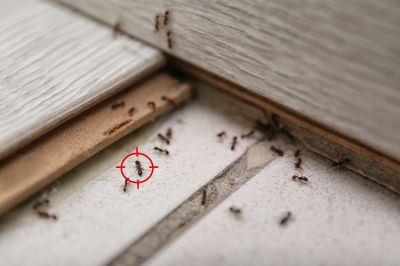
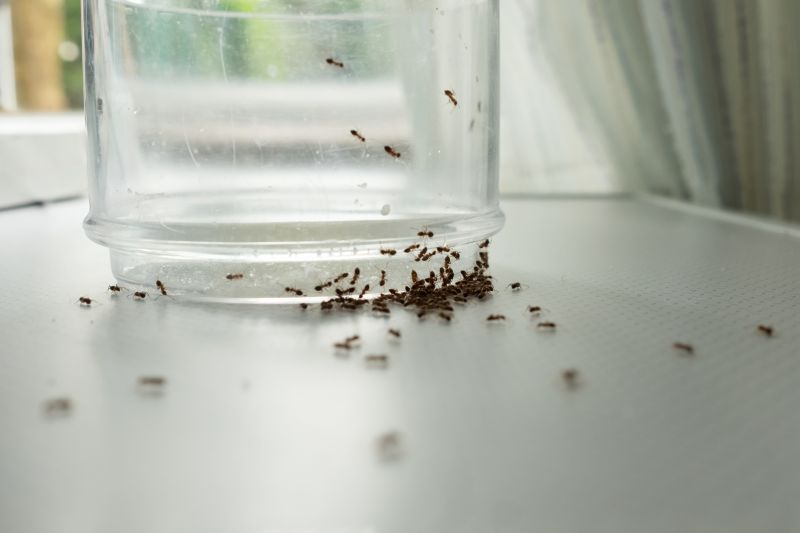
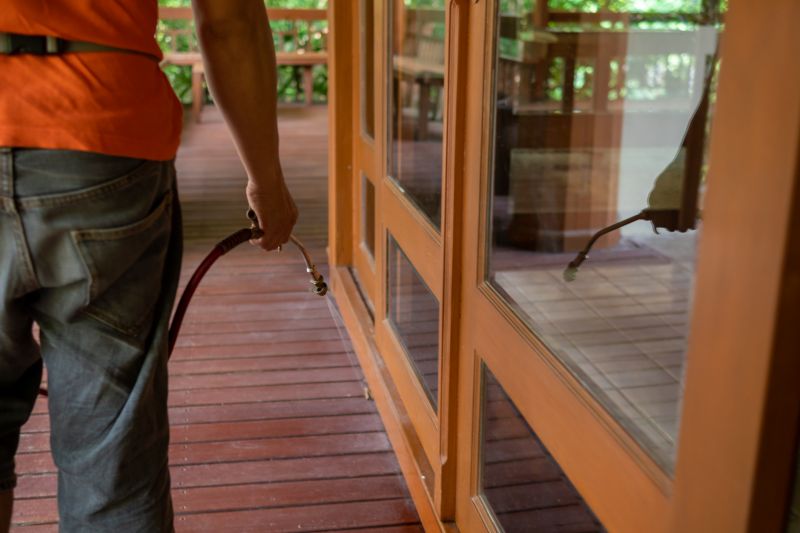
When people search for why ant infestations keep returning without professional treatment, they are often trying to understand why their efforts to eliminate ants seem ineffective over time. These individuals typically face recurring problems such as ants invading kitchens, bathrooms, or outdoor spaces, despite using over-the-counter baits or sprays. They may have attempted DIY solutions but continue to see new ant trails or find that the pests reappear shortly after initial removal. This search indicates a desire to find a lasting solution and a better understanding of the underlying causes that prevent simple treatments from providing long-term relief.
This topic is closely related to property management plans, pest control strategies, and ongoing prevention efforts. Homeowners and property managers want to know why their current methods aren’t working and how to break the cycle of re-infestation. Many are concerned with the health and cleanliness of their living or work spaces, especially when ants threaten food storage or create unsanitary conditions. Understanding the reasons behind persistent ant problems helps people develop more effective plans, which often involve professional pest control services that can target the root causes rather than just surface-level issues.
Properties that typically come up in discussions about ongoing ant problems include residential homes, especially those with accessible food sources or outdoor areas like gardens and patios. Multi-family dwellings, such as apartment complexes or condominiums, also frequently experience recurring ant issues due to shared spaces and common entry points. Commercial properties like restaurants, grocery stores, or food processing facilities are especially vulnerable to persistent ant infestations that can impact hygiene standards and customer perceptions. In all cases, the common factor is that simple, one-time treatments rarely address the full scope of the problem, making professional services an important part of an effective long-term solution.
Local service providers who specialize in ant control play a crucial role in breaking the cycle of re-infestation. These professionals have the experience to identify hidden entry points, nesting sites, and food attractants that are often missed in DIY efforts. They can implement targeted treatments designed to eliminate entire colonies and prevent new ones from forming. For property owners dealing with persistent ant problems, working with local contractors ensures that the root causes are addressed, not just the visible pests. Connecting with experienced ant control specialists can lead to more effective, lasting results, helping property owners regain control over their spaces and reduce the likelihood of future infestations.
Pest Inspection Services - professionals who perform thorough inspections to identify hidden ant colonies and entry points that contribute to persistent infestations.
Home Sealing Projects - local contractors skilled in sealing cracks and gaps to prevent ants from re-entering the home after initial treatment.
Moisture Control Services - specialists who address moisture issues that attract ants, helping to reduce the likelihood of recurring infestations.
Structural Repair Projects - local pros experienced in repairing damaged walls or foundations that can serve as pathways for ants.
Sanitation and Debris Removal - service providers who eliminate food sources and nesting sites around the property to discourage ant activity.
Barrier Treatment Applications - local contractors applying physical or chemical barriers to keep ants from returning after initial control efforts.
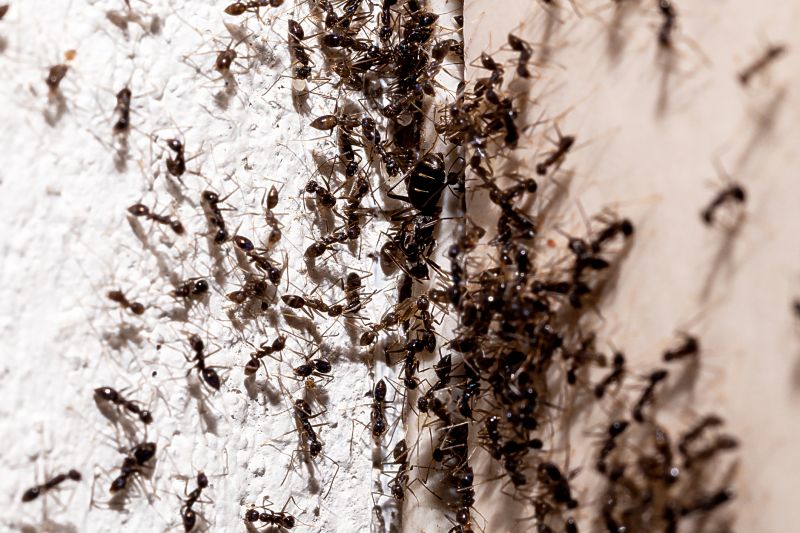
When comparing local contractors for ant infestation control, it is important to consider their experience with similar projects. A service provider who has handled ant infestations in residential settings can better understand the common causes and effective strategies to prevent a recurrence. Homeowners should inquire about the types of ant problems the contractor has addressed and whether they have experience with persistent or recurring infestations, as this can be a strong indicator of their capability to resolve complex issues that may be contributing to the ongoing problem.
Clear written expectations are essential when selecting a service provider for ant control. A reputable contractor should be able to outline the scope of work, including inspection procedures, treatment methods, and follow-up measures, in a detailed manner. This transparency helps homeowners understand what to expect and ensures that any potential issues or concerns are addressed upfront. Clear communication about the process can also prevent misunderstandings and provide reassurance that the contractor is committed to effectively resolving the ant problem.
Reputable references and good communication are key factors in evaluating potential service providers. Homeowners should seek out local contractors who can provide references from previous clients with similar ant issues, demonstrating their track record of successful treatments. Additionally, good communication skills-such as responsiveness, clarity, and willingness to answer questions-are vital for building trust and ensuring that homeowners feel informed and involved throughout the process. Choosing a contractor with a solid reputation and open communication can significantly increase the chances of a long-term solution to why ant infestations keep returning without professional treatment.
Property owners often search for why ant infestations keep returning without professional treatment when they are planning practical projects around their homes and businesses. Local pros provide Ant Infestation Control services for everyday jobs and straightforward project options.
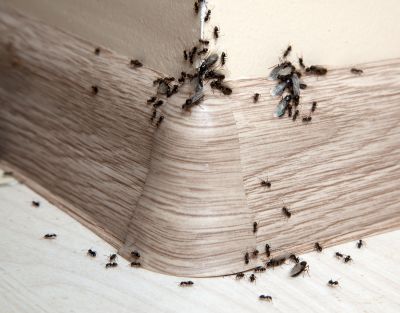
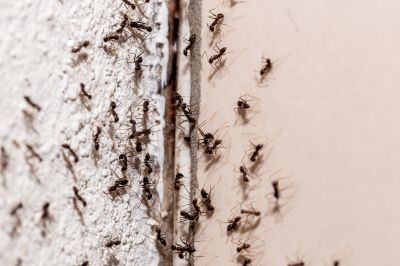
Many property owners in the area find themselves frustrated by ant infestations that keep returning despite repeated efforts to eliminate them. Common reasons include overlooked entry points, such as tiny cracks or gaps around windows and doors, which ants use to gain access to indoor spaces. Additionally, outdoor conditions like accumulated debris, excess mulch, or poorly maintained landscaping can create ideal foraging grounds, attracting ants back to the property. Without addressing these underlying issues, ant colonies can persist and re-establish themselves, making it difficult to achieve long-term control.
Another factor contributing to recurring ant problems is the presence of hidden nests or colonies deep within the soil or inside wall voids that are difficult to locate and treat without professional assistance. Many property owners attempt DIY solutions, but without the proper tools or knowledge, they may only remove visible ants temporarily while leaving the nest intact. Local service providers specializing in ant infestation control can identify these hidden sources and implement targeted treatments to prevent future invasions. Connecting with experienced contractors can help ensure that all potential entry points and nesting sites are thoroughly addressed.
Why do ant infestations keep returning even after treatment? Ant infestations often return because the colony's nest remains hidden, and untreated sources like cracks, soil, or food sources continue to attract new ants. Local contractors can identify and eliminate these hidden nests to prevent future invasions.
How can I prevent ants from coming back without professional help? Without professional treatment, sealing entry points, removing food sources, and maintaining cleanliness may reduce ant activity temporarily, but persistent nests require the expertise of local service providers to fully eliminate the problem.
Why is it difficult to control ant infestations on my own? Ant colonies can be deep underground or inside walls, making it challenging to reach the entire nest without specialized knowledge and tools. Local pros have the experience to locate and treat these hidden colonies effectively.
Can ongoing ant activity be due to untreated nesting sites nearby? Yes, if neighboring areas or outdoor environments are not addressed, ants can continually migrate into your property. Local contractors can assess and treat surrounding areas to break the cycle of reinfestation.
What role do outdoor conditions play in ant infestations returning? Outdoor factors like soil, mulch, or debris can harbor ant nests that lead to recurring infestations. Local service providers can identify outdoor nesting sites and implement targeted control measures to prevent return visits.
Identify persistent entry points - property owners can work with local contractors to locate and seal cracks or gaps in foundations, doors, and windows that ants use to access the building.
Eliminate hidden food sources - removing crumbs, spills, and storing food properly can reduce attractants, with local pros offering advice on sanitation and storage improvements.
Manage outdoor conditions - trimming vegetation and removing debris near the property can disrupt ant pathways, and service providers can recommend effective landscaping practices.
Apply targeted treatments - professional ant control solutions can address unseen nests and colonies, preventing reinfestation and breaking the cycle of returning ant problems.
If you are thinking about why ant infestations keep returning without professional treatment for a property, this guide is meant to help you understand this topic, the typical project types, and how different options might fit your plans.
When you are ready, you can use the quote form on this page to share a few details about your project. From there, local pros can review the basics and follow up with options that match what you have in mind.