
How Routine Pest Control Helps Prevent Major Infestations
Routine pest control by local service providers helps prevent major infestations by regularly targeting pests before they become a serious problem.
Understanding how routine pest control helps prevent major infestations is essential for property owners looking to protect their homes and businesses. Regular pest management services address common entry points and eliminate early signs of pests before they can establish a foothold. Local contractors often recommend consistent treatments as a proactive approach, helping to reduce the risk of larger, more disruptive infestations that can cause property damage and health concerns. By exploring this topic, property owners can gain practical insights into how ongoing pest control efforts contribute to maintaining a pest-free environment and why partnering with experienced service providers makes a significant difference.
For those in the area considering pest prevention strategies, knowing how routine pest control fits into overall property maintenance is valuable. Local service providers offer tailored plans designed to target pests early and prevent them from multiplying into serious problems. This proactive approach can save property owners from the inconvenience and expense of dealing with extensive infestations later on. Keep reading to discover how consistent pest management practices, supported by trusted local contractors, can help safeguard your property and give peace of mind.
- General pest prevention - local contractors provide routine pest control to address early signs of pest activity and prevent larger infestations.
- Kitchen and pantry pest control - service providers help protect food storage areas by implementing regular treatments that deter pests like ants and beetles.
- Exterior perimeter treatments - local pros apply barrier treatments around a property to stop pests before they can enter indoor spaces.
- Rodent prevention services - routine pest control includes sealing entry points and setting traps to reduce the risk of rodent infestations.
- Seasonal pest management - local contractors tailor pest control plans to seasonal pest activity, helping to prevent infestations before they develop.
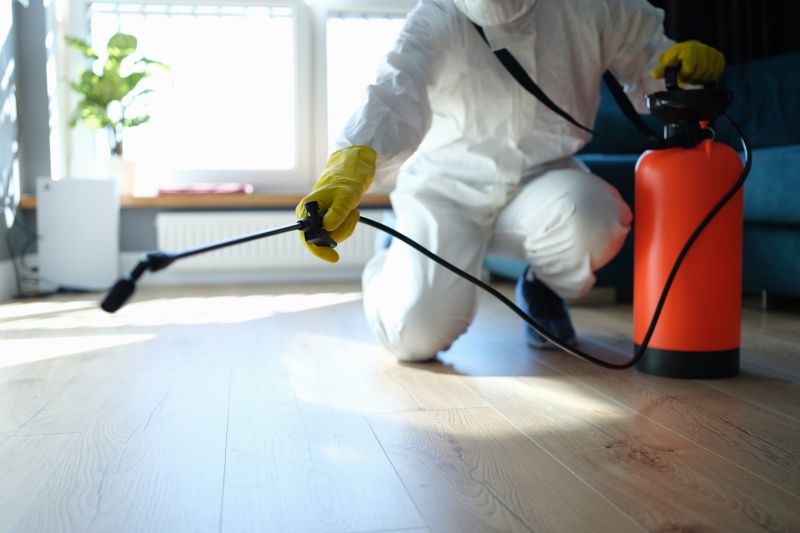
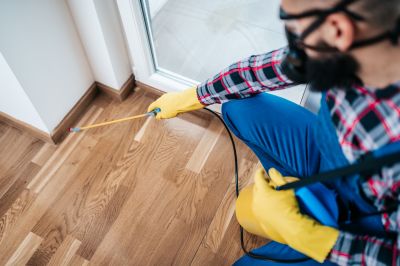
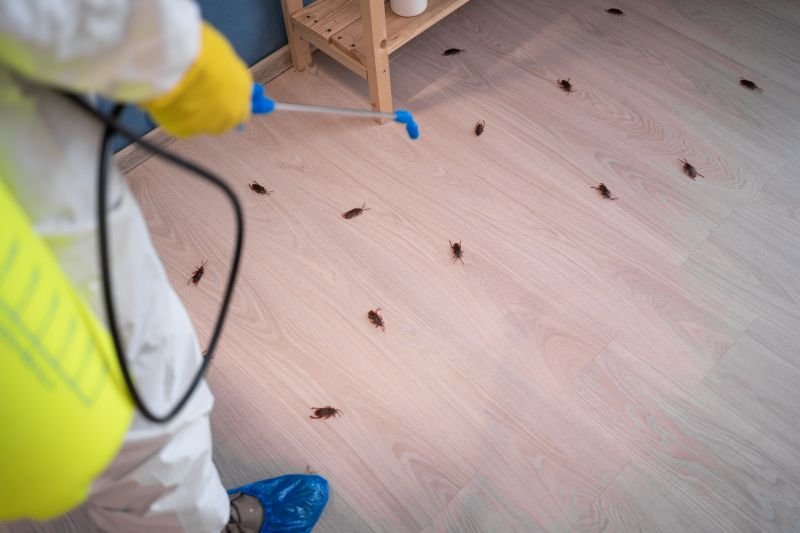
When people search for how routine pest control helps prevent major infestations, they are often looking for a way to keep their homes free from unwelcome pests before problems become severe. This topic relates to ongoing pest management plans aimed at controlling common household invaders such as ants, cockroaches, spiders, and rodents. Homeowners typically want to understand how regular treatments can serve as a proactive measure, reducing the risk of pests establishing large colonies or nests that are difficult and costly to eliminate later. It’s about maintaining a pest-free environment through consistent, preventative efforts rather than reacting to an infestation after it has taken hold.
This approach is especially relevant for addressing problems related to pests that tend to invade homes during certain seasons or in specific conditions. It connects to plans that focus on early detection and prevention, helping homeowners avoid the disruption and damage caused by large infestations. Major pest problems often involve pests that reproduce rapidly or are difficult to eradicate once established, such as termites or bed bugs. Routine pest control services are designed to disrupt their life cycles and prevent these pests from gaining a foothold, saving homeowners from the stress and expense of dealing with extensive infestations down the line.
The types of properties that commonly come up in discussions about routine pest control include single-family homes, multi-family residences, and even small commercial buildings. These properties are often vulnerable to pest invasions because they provide shelter, food sources, and nesting sites. Homes with gardens, yards, or nearby wooded areas may see increased pest activity, making regular treatments especially important. Apartments and condos also benefit from routine pest control to prevent pests from moving between units. Regardless of property type, the goal is to establish a consistent pest management plan that helps prevent pests from becoming a major problem.
Local service providers who specialize in routine pest control play a key role in helping homeowners implement effective prevention strategies. These professionals assess the specific needs of each property, identify potential pest entry points, and develop customized treatment plans. They focus on maintaining a barrier that discourages pests from entering or establishing nests, which can significantly reduce the likelihood of major infestations. By working with local contractors who understand the common pests in the area and the best prevention methods, homeowners can create a proactive defense that minimizes the risk of costly and disruptive pest problems in the future.
Pest inspection services involve thorough assessments of property conditions, helping identify early signs of pest activity that routine pest control can address before a major infestation develops.
Rodent exclusion projects focus on sealing entry points and implementing barriers, skills that complement routine pest control efforts to prevent rodents from establishing colonies indoors.
Termite treatment and prevention projects utilize targeted application techniques and planning, similar to routine pest control, to stop termites before they cause significant damage.
Wildlife removal services involve humane trapping and habitat modification, which can work alongside routine pest control to reduce the risk of larger pest problems caused by animal invasions.
Sanitation and debris cleanup projects help eliminate pest harborage sites, supporting routine pest control by reducing attractants around the property.
Structural repair and sealing projects involve fixing cracks and gaps, a planning skill that enhances routine pest control measures to keep pests from entering the property.
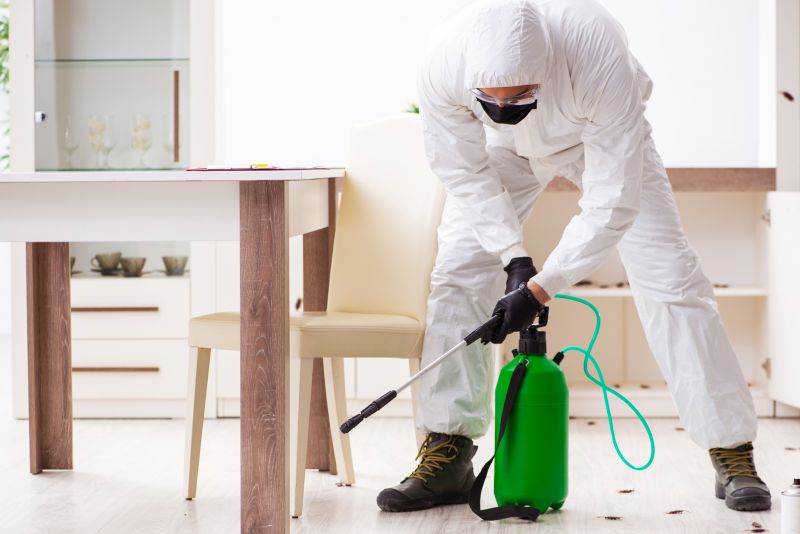
When evaluating service providers for routine pest control, it’s important to consider their experience with similar projects and property types. Local contractors who have a proven track record in pest prevention can offer insights into effective strategies tailored to your specific environment. Asking about their experience handling properties like yours can help ensure they understand the common pests in your area and the best methods to prevent major infestations before they occur.
Clear, written expectations are also a key factor when comparing local pros. A reputable service provider should be able to outline what their routine pest control services include, how often treatments are recommended, and what results you can anticipate. This transparency helps prevent misunderstandings and ensures that both parties are aligned on the scope of work, making it easier to assess which contractor is best suited to meet your pest prevention needs.
Good communication and reputable references are essential qualities to look for in a service provider. Contractors who are willing to share references or reviews demonstrate confidence in their work and provide opportunities to learn about their reliability and professionalism. Additionally, a responsive and clear communicator can address questions or concerns promptly, which is especially valuable when establishing a long-term pest prevention plan. Taking these factors into account can help homeowners select a service provider capable of effectively helping prevent major infestations through routine pest control.
Property owners often search for how routine pest control helps prevent major infestations when they are planning practical projects around their homes and businesses. Local pros provide Routine Pest Control services for everyday jobs and straightforward project options.
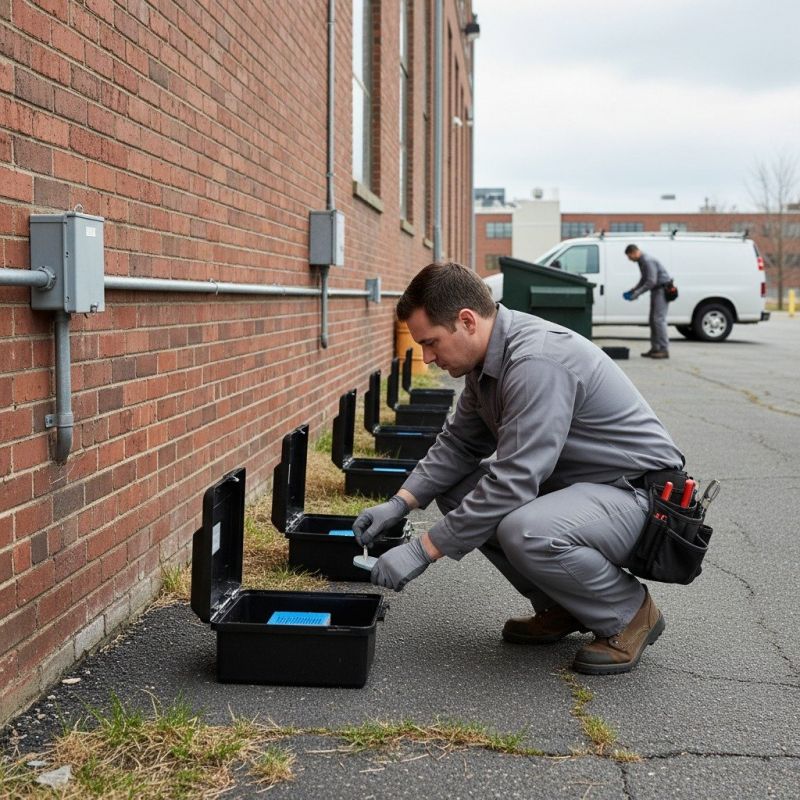
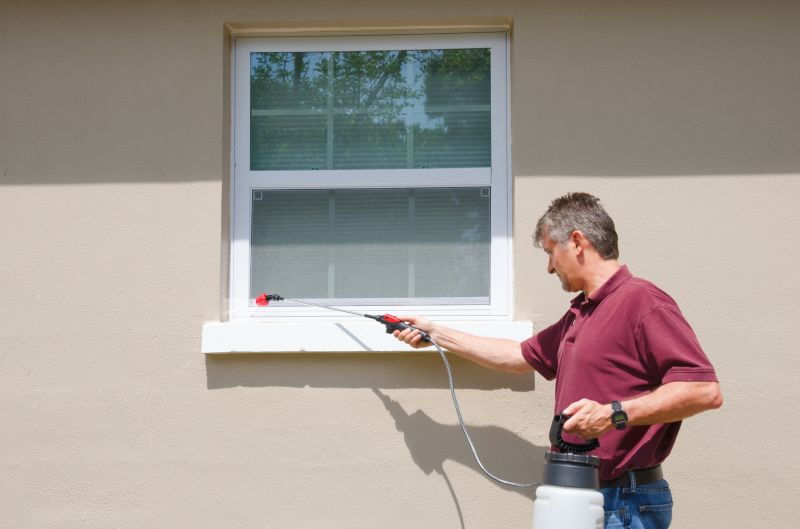
Routine pest control services play a vital role in maintaining a pest-free property by addressing potential issues before they develop into full-blown infestations. Regular treatments help eliminate existing pests and create a protective barrier that discourages new ones from entering the home or business. Property owners often seek out these services to stay ahead of common pests like ants, spiders, and rodents, which can quickly multiply if left unchecked. By scheduling consistent visits from local contractors, residents can reduce the likelihood of pests causing damage or becoming a nuisance, ultimately saving time and effort in the long run.
Many property owners in the area recognize that routine pest control is an effective way to prevent larger problems down the line. Preventative treatments target pest hiding spots and entry points, making it harder for infestations to take hold. This proactive approach is especially helpful in busy households or commercial spaces where pests can quickly disrupt daily routines. Connecting with experienced service providers ensures that pest control efforts are tailored to the specific needs of the property, providing ongoing protection and peace of mind against unexpected pest issues.
How does routine pest control help prevent major infestations? Routine pest control services help identify and eliminate pests early, reducing the risk of a large infestation developing over time.
Why is regular pest control important for infestation prevention? Regular treatments maintain a barrier against pests, preventing them from establishing nests or colonies that could lead to major problems.
What role do local contractors play in preventing pest infestations? Local service providers use targeted strategies to monitor and treat potential pest issues before they become severe, helping to keep infestations at bay.
Can routine pest control address different types of pests? Yes, routine services are designed to manage a variety of common pests, reducing the chances of a major infestation across different species.
How does ongoing pest control contribute to long-term pest prevention? Consistent pest control creates a proactive approach, minimizing the likelihood of pests gaining a foothold and preventing larger infestations in the future.
Regular inspections - scheduling routine pest control inspections helps identify early signs of pest activity before an infestation develops.
Sealing entry points - local contractors can assist in sealing cracks and gaps around doors, windows, and foundations to prevent pests from entering.
Ongoing treatments - applying preventative treatments around the property creates a barrier that deters pests from establishing a presence.
Property maintenance tips - local pros can advise on landscaping and clutter management to reduce pest harborage areas and support ongoing prevention efforts.
If you are thinking about how routine pest control helps prevent major infestations for a property, this guide is meant to help you understand this topic, the typical project types, and how different options might fit your plans.
When you are ready, you can use the quote form on this page to share a few details about your project. From there, local pros can review the basics and follow up with options that match what you have in mind.