
Seasonal Ant Activity and When to Schedule Pest Control Service
Understanding seasonal ant activity and when to schedule pest control helps homeowners protect their property, and local service providers can effectively handle ant infestations during peak times.
Understanding seasonal ant activity and when to schedule pest control service is essential for property owners looking to maintain a pest-free environment throughout the year. As ant populations tend to fluctuate with changing weather patterns and environmental conditions, being aware of their seasonal behaviors can help prevent infestations before they become problematic. Local contractors specializing in pest management are equipped to assess these patterns and recommend the most effective timing for treatments, ensuring that preventative measures align with peak activity periods.
For property owners in the area, staying informed about seasonal ant activity can make a significant difference in protecting homes and businesses from unwanted pests. By scheduling pest control services at strategic times, based on local ant behaviors, it’s possible to reduce the risk of large colonies establishing inside structures. Local service providers understand the specific seasonal trends in the community and can offer tailored solutions to keep ants at bay, helping to maintain a comfortable and pest-free property year-round.
- Seasonal ant pest control - local service providers can help identify peak activity periods and implement treatments to prevent infestations.
- Spring ant control services - local contractors often recommend scheduling treatments early in the season when ant activity begins to increase.
- Summer ant prevention - local pros can apply barrier treatments to protect properties during the height of ant activity.
- Fall ant management - pest control experts can target remaining colonies and prepare properties for the winter months.
- Timing for ant pest control - local service providers analyze seasonal patterns to advise on the best times to schedule treatments for optimal results.

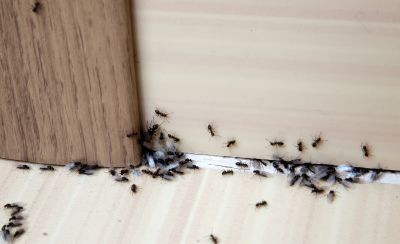

Understanding seasonal ant activity and when to schedule pest control service is a common concern among homeowners experiencing ant problems or planning preventive measures. This topic typically arises when residents notice increased ant activity during certain times of the year, prompting questions about whether these insects are a temporary nuisance or a sign of a larger infestation. Homeowners often seek information on how seasonal changes influence ant behavior, and whether timing pest control treatments can effectively reduce or prevent future invasions. Recognizing these patterns helps homeowners decide the best moments to engage with local service providers, ensuring treatments are both timely and effective.
The connection between seasonal ant activity and pest control scheduling relates closely to the life cycle and behavior patterns of different ant species. For example, some ants become more active in warmer months, establishing new colonies or expanding existing ones. Others may seek shelter indoors as outdoor conditions become less favorable. These behavioral shifts can lead to problems such as ants invading kitchens, bathrooms, or other parts of the property, especially when they are searching for food or nesting sites. Homeowners planning pest control often want to know when these activity peaks occur so that treatments can be scheduled to target ants when they are most vulnerable or most likely to invade.
Properties that typically come up in discussions about seasonal ant activity include residential homes, especially those with gardens, lawns, or nearby woodpiles, as well as multi-family dwellings and commercial buildings. Homes with easy access to outdoor food sources or moisture tend to attract ants during peak seasons. Additionally, properties with structural vulnerabilities-like cracks, gaps, or poorly sealed entry points-are more prone to invasions during times of increased ant activity. Understanding the specific needs of these property types helps local contractors recommend the most effective timing for pest control services, ensuring that treatments align with the periods of highest ant activity.
For homeowners looking to stay ahead of ant problems, partnering with local pros who understand seasonal patterns can make a significant difference. These service providers can assess the property, identify high-risk areas, and recommend the optimal times for treatments based on local climate and ant species behavior. Scheduling pest control services during peak activity periods or just before anticipated surges can help prevent infestations from establishing or spreading. By staying informed about seasonal ant activity and working with experienced local contractors, homeowners can better manage ant issues, maintaining a cleaner, more comfortable living environment throughout the year.
Seasonal Pest Management - Professionals specializing in seasonal pest management can address a variety of insects that become active at different times of the year, similar to ant activity patterns.
Landscape Inspection and Treatment - These services involve planning and executing treatments around the property, which is essential for managing ant activity and preventing infestations.
Insect Barrier and Prevention Services - Applying barriers and preventative measures requires understanding seasonal insect behaviors, making these projects related to timing pest control efforts for ants.
Outdoor Pest Control Services - Local contractors offering outdoor pest control can help target ant colonies and other pests that emerge seasonally, aligning with ant activity trends.
Yard and Perimeter Treatment - Treating yards and building perimeters involves planning around seasonal pest activity to reduce ant entry points and nesting sites.
Insect Monitoring and Inspection - Regular monitoring helps identify seasonal pest activity early, ensuring timely intervention by local pest control professionals.
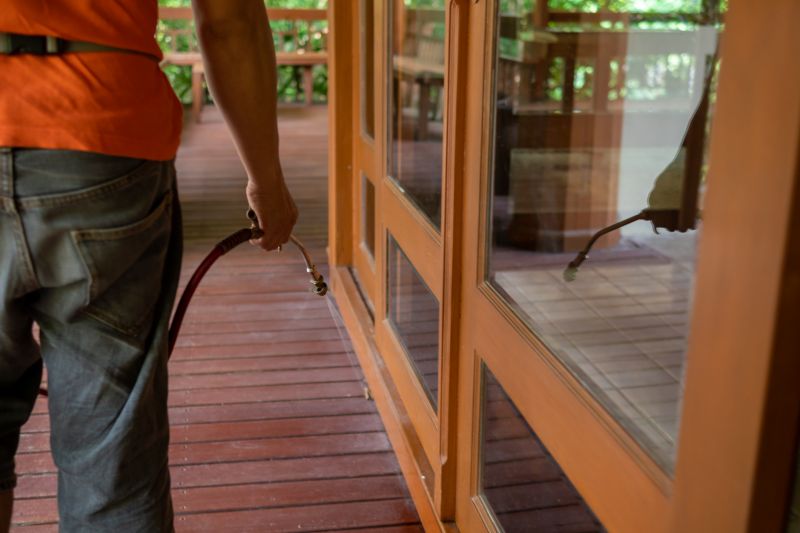
When comparing service providers for seasonal ant activity and when to schedule pest control service, it is important to consider their experience with similar projects. An established local contractor with a history of handling ant pest control during different seasons can offer insights into the most effective timing and treatment strategies. Homeowners should look for providers who can demonstrate familiarity with local ant species, seasonal patterns, and the best approaches for preventing infestations at various times of the year. This experience can contribute to more tailored and effective solutions that address the unique challenges of seasonal ant activity in the area.
Clear written expectations are essential when evaluating potential service providers for seasonal ant pest control. Homeowners should seek out contractors who can provide detailed descriptions of the scope of work, what treatments will be used, and what results can be reasonably expected. Transparent communication about the process helps ensure that both parties are aligned on the goals and that there are no surprises once the work begins. Well-defined expectations also facilitate better planning around seasonal activity and help determine the most appropriate timing for scheduling treatments to maximize effectiveness.
Reputable references and good communication are key factors in choosing a dependable service provider. Homeowners are encouraged to ask for references or reviews from previous clients who have had similar ant control services performed, especially during peak seasonal activity. Reliable contractors should be responsive to questions and able to offer clear explanations about their methods and scheduling recommendations. Effective communication ensures that homeowners are well-informed about the timing of treatments and any necessary preparations, which can be critical for achieving optimal results in managing seasonal ant activity and maintaining ongoing pest control efforts.
Property owners often search for seasonal ant activity and when to schedule pest control service when they are planning practical projects around their homes and businesses. Local pros provide Seasonal Ant Pest Control services for everyday jobs and straightforward project options.
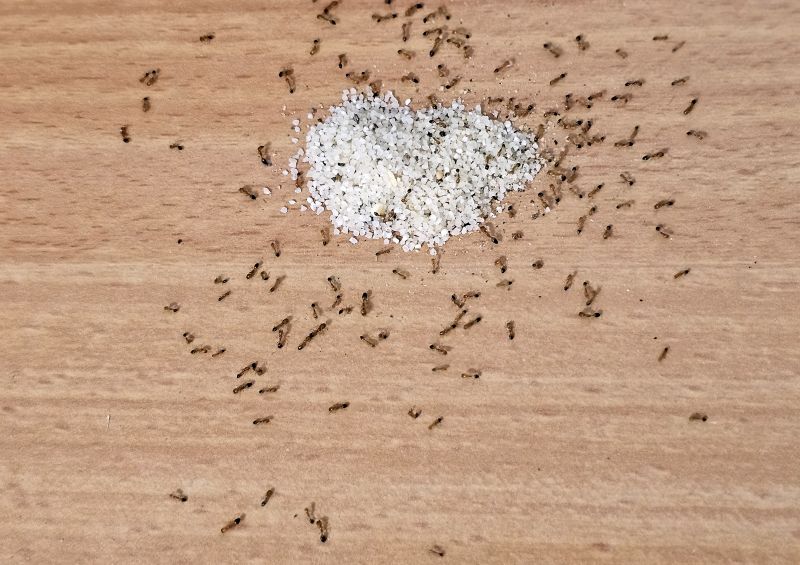

Understanding seasonal ant activity and when to schedule pest control service can help property owners prevent infestations before they become a problem. Ants tend to become more active during certain times of the year, especially as temperatures rise and food sources become more available outdoors. Recognizing these patterns allows property owners to plan ahead and seek assistance from local contractors who specialize in ant control. These professionals can assess the property, identify ant activity, and recommend the most effective treatment options to keep ants at bay throughout the year.
Timing is a key factor when it comes to managing ant populations effectively. Scheduling pest control services during peak activity seasons can help reduce the likelihood of a large infestation developing. Local service providers are experienced in addressing seasonal fluctuations in ant activity and can tailor treatments to match the specific needs of the property. Consulting with these experts ensures that pest control measures are implemented at the right times, providing property owners with a proactive approach to maintaining a pest-free environment.
When does seasonal ant activity typically begin? Seasonal ant activity usually starts in early spring and increases through summer, making it an ideal time to schedule pest control services with local contractors to prevent infestations.
How can I tell if ants are active in my area? Signs of active ants include visible trails, ants entering your home, or small piles of dirt near entry points, prompting a consultation with local pros to assess the need for pest control.
What is the best time to schedule ant pest control services? The optimal time to schedule ant pest control is before peak activity seasons, such as early spring or late summer, to effectively manage and prevent infestations with the help of local service providers.
Are certain seasons more prone to ant infestations? Yes, ant infestations are more common during warm months like spring and summer, so coordinating pest control services during these periods can help keep ants at bay.
Why should I consider scheduling pest control before ant activity peaks? Scheduling pest control services ahead of peak ant activity can help reduce the likelihood of a large infestation and ensure your property remains protected throughout the season, with assistance from local contractors.
Monitor ant activity seasonally - property owners can observe patterns of ant movement to identify peak times for pest control services from local contractors.
Schedule treatments before ant populations surge - planning pest control services ahead of anticipated seasonal increases can help prevent infestations.
Identify high-risk areas - recognizing common entry points and nesting spots during different seasons allows for targeted treatments by local pros.
Plan for ongoing pest management - integrating seasonal ant activity insights into regular pest control routines can maintain a pest-free property year-round.
If you are thinking about seasonal ant activity and when to schedule pest control service for a property, this guide is meant to help you understand this topic, the typical project types, and how different options might fit your plans.
When you are ready, you can use the quote form on this page to share a few details about your project. From there, local pros can review the basics and follow up with options that match what you have in mind.